
Severe Thunderstorm Warning: What It Means and How to Stay Safe
- Understanding the Severe Thunderstorm Warning
- Severe Thunderstorm Watch vs. Warning: Knowing the Difference
- What Makes a Thunderstorm “Severe”?
- Understanding Warning Criteria and Threat Levels
- Getting Ready When a Severe Thunderstorm Warning is Issued
- Actions to Take During a Severe Thunderstorm Warning
- After the Warning Passes: What to Do Next
- Prioritizing Safety During a Severe Thunderstorm Warning
A severe thunderstorm warning is one of those alerts that can instantly change your plans and potentially your day, or night. Having personally experienced the sudden fury of severe weather – from deafening hail pounding the roof to winds that felt like a freight train barreling through – I know the importance of understanding what a severe thunderstorm warning means and how to react quickly. It’s not just noise; it’s a signal to take immediate action to protect yourself and your property. In this article, we’ll break down everything you need to know about these critical alerts, from their definition to practical safety tips that can make all the difference.
Severe Thunderstorm Watch vs. Warning: Knowing the Difference
It’s easy to get confused between a severe thunderstorm watch and a severe thunderstorm warning. They sound similar, right? But understanding the distinction is crucial for your safety. Think of it this way: a watch means “Be Prepared,” while a warning means “Take Action!”
A severe thunderstorm watch is issued when conditions are favorable for severe thunderstorms to develop in or near a specific area. This could cover several counties or even states. It’s your heads-up to review your safety plan, check your supplies, and stay informed about changing weather conditions.
On the other hand, a severe thunderstorm warning means that severe weather has been reported by trained spotters or indicated by radar. This isn’t a possibility anymore; it’s happening or is imminent in the warned area, typically within an hour. Warnings usually cover a smaller area, like a city or small county. When you hear or receive a severe thunderstorm warning, you need to act immediately to find safe shelter.
What Makes a Thunderstorm “Severe”?
Not all thunderstorms are classified as severe. While every thunderstorm produces lightning (a dangerous hazard in itself!), a storm earns the “severe” label from the National Weather Service (NWS) based on specific criteria.
According to the NWS, a thunderstorm is considered severe if it produces one or more of the following:
- Hail one inch in diameter or larger (about the size of a quarter).
- Wind gusts of 58 miles per hour (mph) or greater.
- A tornado.
It’s interesting to note that the hail size criterion was increased from 0.75 inches to 1 inch partly due to public complacency with more frequent warnings and studies showing less significant ground damage from smaller hail. Even so, winds at 58 mph or higher are strong enough to cause significant damage, like knocking down trees and power lines.
Understanding Warning Criteria and Threat Levels
The National Weather Service has refined its severe thunderstorm warning system to provide more specific information about potential damage. Since 2021, warnings can include damage threat tags to convey the severity more clearly.
There are typically three categories for damage threat:
- Base: This meets the standard criteria of 1.00-inch hail or 58 mph winds. These warnings generally don’t trigger Wireless Emergency Alerts (WEA) on smartphones.
- Considerable: This indicates a higher threat, with criteria of at least 1.75-inch diameter hail (golf ball-sized) and/or 70 mph winds. These also typically don’t activate WEA.
- Destructive: This is the highest threat level, issued for hail 2.75 inches in diameter or larger (baseball-sized) and/or 80 mph winds or higher. Warnings with this tag *will* automatically activate WEA on smartphones in the warned area, signaling a life-threatening event with potential for substantial property damage. Only about 10% of severe thunderstorms nationwide reach this destructive category annually.
Understanding these levels helps you gauge the potential impact and react accordingly. A “destructive” tag means the situation is particularly dangerous and requires immediate, robust action.
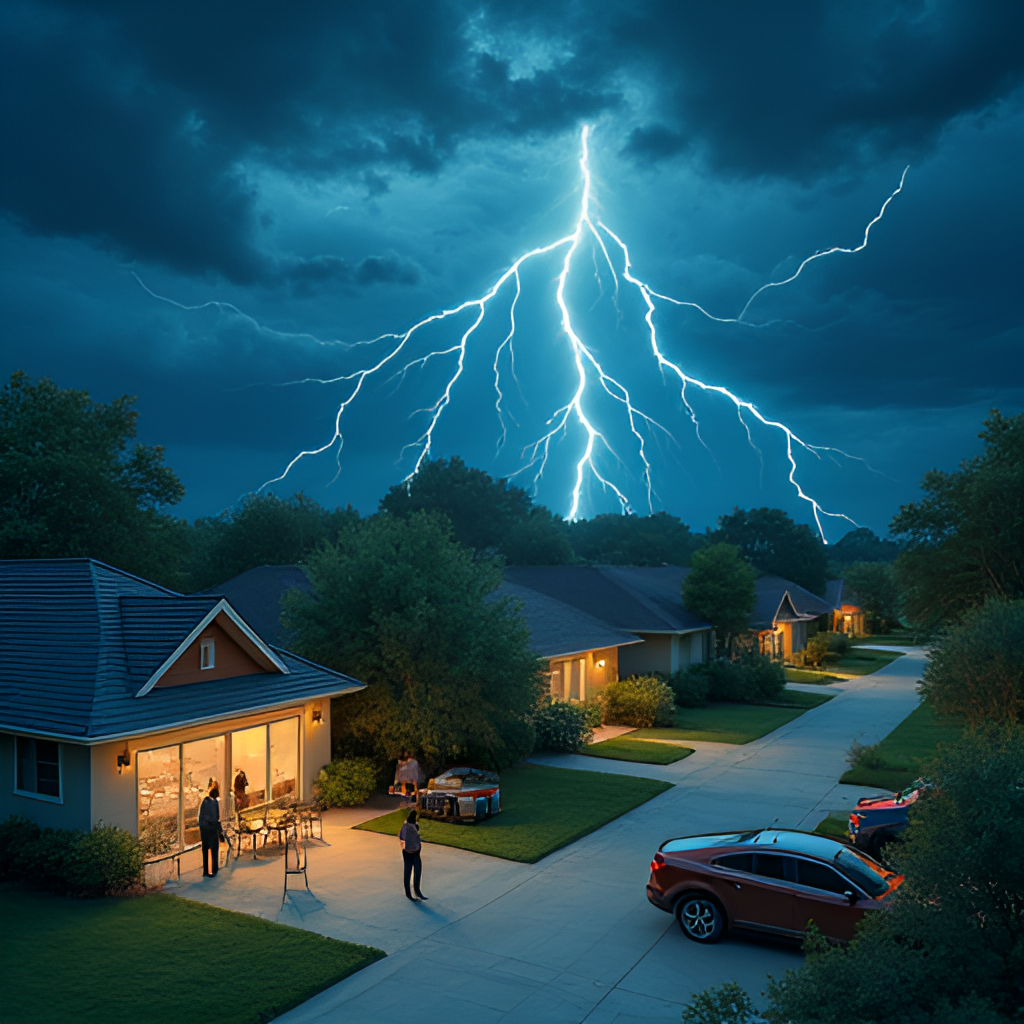
This image is a fictional image generated by GlobalTrendHub.
Getting Ready When a Severe Thunderstorm Warning is Issued
Preparedness is your best friend when severe weather is possible. Having a plan in place *before* a severe thunderstorm warning is issued can significantly reduce stress and risk. I’ve found that even simple steps make a huge difference when minutes count.
Here’s what you should do to prepare for a severe thunderstorm warning:
- Stay Informed: Monitor local weather forecasts, news, or a NOAA Weather Radio. Sign up for emergency alerts from your local government.
- Develop a Plan: Know where to go for shelter. The safest place is usually the lowest level of a sturdy building, like a basement or an interior room away from windows. Mobile homes and vehicles are NOT safe during severe thunderstorms.
- Build an Emergency Kit: Pack essentials like food, water, a flashlight, extra batteries, a first-aid kit, medications, and a portable power source for your phone.
- Secure Outdoor Items: Bring in or tie down anything that could be blown away or become a projectile in strong winds, such as patio furniture, trash cans, and toys.
- Prepare Your Home: Close windows, blinds, shades, or curtains to protect against flying glass if windows break. Consider trimming trees or branches that could fall.
Taking these steps when a watch is issued or even just during the severe weather season can make you feel much more in control when a warning goes into effect. Ready.gov offers fantastic resources for creating emergency plans and kits.
Actions to Take During a Severe Thunderstorm Warning
Okay, you’ve received the warning. What now? It’s time to implement your plan and focus on immediate safety. My personal rule is: “When thunder roars, go indoors!” But during a warning, it’s beyond just thunder; it’s the imminent threat of damaging wind or large hail.
Here’s what to do:
- Seek Immediate Shelter: Get inside a sturdy building right away. Head to your predetermined safe location, preferably a basement, storm cellar, or an interior room on the lowest floor away from windows and doors.
- Stay Away from Windows and Doors: This is critical as strong winds and hail can cause debris to fly and glass to shatter.
- Avoid Water and Electronics: Lightning can travel through plumbing and electrical lines. Avoid showering, bathing, washing dishes, and using corded phones or electrical appliances. Cordless or cellular phones are generally safe to use.
- Unplug Electronics: If you haven’t already, unplug sensitive electronics to protect them from power surges.
- Stay Inside Until It’s Safe: Remain in your shelter until the warning expires or local authorities give the all-clear. The NWS suggests staying inside for at least 30 minutes after the last thunderclap.
If you are caught outside and can’t get to a sturdy building, getting into a hard-top vehicle is safer than staying outdoors, though not as safe as a building. Avoid seeking shelter under trees, isolated objects, or in open areas, as these increase your risk of being struck by lightning.

This image is a fictional image generated by GlobalTrendHub.
After the Warning Passes: What to Do Next
Just because the immediate threat has passed doesn’t mean all danger is gone. The aftermath of a severe thunderstorm can present its own set of hazards.
Once the severe thunderstorm warning is over:
- Continue Monitoring: Keep listening to local news or weather radio for updates.
- Assess Damage Safely: If it’s safe to do so, check your home and property for damage. Be cautious of structural damage.
- Watch for Hazards: Be extremely careful of downed power lines, which can still be live and deadly. Report them immediately to the utility company. Also, watch out for debris and fallen trees.
- Avoid Floodwater: Even if the rain has stopped, flash flooding can still be a risk. Never walk, swim, or drive through floodwaters. Remember: “Turn Around, Don’t Drown!” Just six inches of moving water can knock you down, and a foot can sweep a vehicle away.
- Check on Others: If possible and safe, check on neighbors, especially the elderly or those with special needs.
Handling the aftermath can be overwhelming, but prioritizing safety during a severe thunderstorm warning and its wake is paramount. Resources like the American Red Cross thunderstorm safety guide provide valuable tips for recovery.
Prioritizing Safety During a Severe Thunderstorm Warning
Severe thunderstorms are a powerful force of nature, capable of causing significant damage and posing serious risks to life and property. Understanding what a severe thunderstorm warning signifies – that severe weather is happening or imminent – is the first critical step in staying safe. By knowing the difference between a watch and a warning, understanding the criteria for a severe storm, preparing in advance with a plan and supplies, and knowing exactly what to do when a warning is issued, you drastically increase your chances of weathering the storm safely.
From the potential for baseball-sized hail and damaging winds over 80 mph in a “destructive” severe thunderstorm warning to the ever-present threat of lightning and flash flooding, these events demand our respect and immediate action. As someone who has seen the impact of severe weather firsthand, I can’t emphasize enough: pay attention to warnings, have a plan, and act quickly. Your safety, and the safety of those around you, depends on it.