
Maya Joint: Understanding the Temporomandibular Joint and TMD
- Introduction to the Mysterious Maya Joint (TMJ)
- What Exactly is the Temporomandibular Joint?
- Why Does the Maya Joint (TMJ) Cause Problems?
- Recognizing the Signs: Common TMD Symptoms
- Diagnosing Temporomandibular Joint Disorders
- Effective Treatments for Maya Joint (TMJ) Pain
- Taking Control: Self-Care for Your Jaw Joint
- Navigating Daily Life with TMJ Disorders
- Understanding the Maya Joint (TMJ) for Better Health
The maya joint, more commonly known as the temporomandibular joint (TMJ), is a crucial part of our anatomy, yet it’s often overlooked until something goes wrong. As someone who’s seen firsthand how issues with this jaw joint can impact daily life, I can tell you it’s not just about chewing. The TMJ is a complex system, and when it’s unhappy, it can cause a cascade of problems that are, frankly, a real pain in the jaw – and head, and neck! Understanding what the temporomandibular joint is and the disorders that can affect it (TMD) is the first step towards finding relief and improving your quality of life. We’ll dive deep into this often-misunderstood area, exploring its function, common issues, and effective strategies for managing pain and dysfunction.
What Exactly is the Temporomandibular Joint?
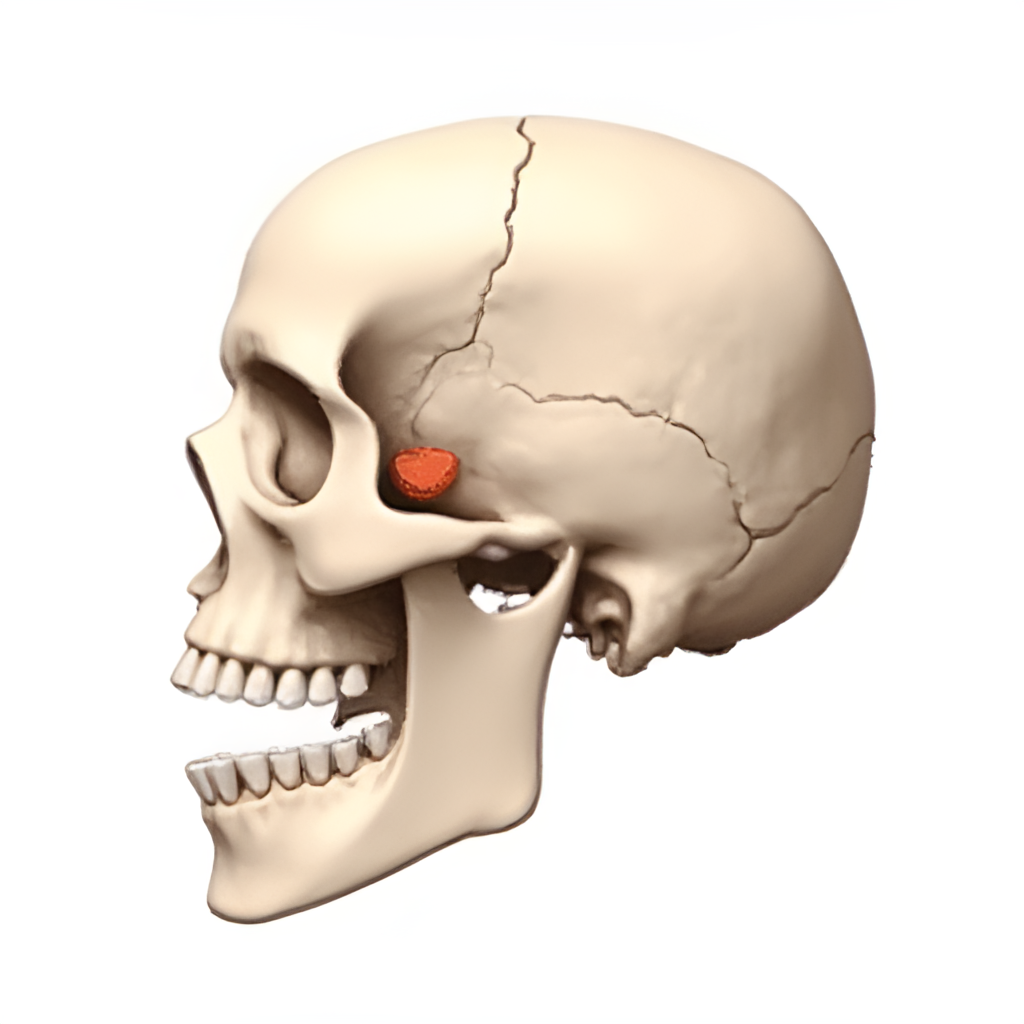
Let’s get anatomical for a moment. The temporomandibular joint, or TMJ, is the hinge connecting your lower jaw (mandible) to your skull (temporal bone). You have two of these joints, one on each side of your face, located just in front of your ears. These joints are incredibly complex, allowing for a wide range of movements – up and down for opening and closing your mouth, and side-to-side and forward-backward for chewing and speaking.
Inside the joint, there’s a small, flexible disc of cartilage that acts as a cushion between the bones. This disc helps the smooth movement of the jaw. Muscles, ligaments, and nerves all work together with the joint to enable these movements. It’s a finely tuned system, and if any part isn’t working correctly, you can start experiencing issues.
Why Does the Maya Joint (TMJ) Cause Problems?
Figuring out the exact cause of problems with the maya joint, or TMD, can be tricky. Often, it’s not just one thing but a combination of factors. My experience working with individuals facing jaw pain tells me that pinpointing the root cause is key to effective treatment.
Common culprits include:
- Teeth Grinding or Clenching (Bruxism): This is a big one! Stress or sleep habits can lead people to unconsciously clench or grind their teeth, putting immense pressure on the jaw joint.
- Jaw Injury: A direct blow to the jaw, head, or neck can damage the joint or surrounding muscles.
- Arthritis: Like other joints in the body, the TMJ can be affected by different types of arthritis, leading to inflammation and degeneration.
- Stress: Emotional stress can cause increased muscle tension, including in the jaw and face, contributing to TMD symptoms.
- Malocclusion (Misaligned Bite): While once thought to be a primary cause, research now suggests that while a misaligned bite can be a factor, it’s not always the main issue.
- Poor Posture: Believe it or not, slouching or holding your head forward can strain the muscles in your neck and face, impacting the TMJ.
- Connective Tissue Diseases: Certain systemic conditions can affect the joints throughout the body, including the TMJ.
Sometimes, simple habits like excessive gum chewing or biting on pens can also aggravate the joint.
Recognizing the Signs: Common TMD Symptoms
Temporomandibular Disorders (TMD) manifest differently in different people. Some might have mild, occasional discomfort, while others experience chronic, debilitating pain. I’ve had clients describe everything from a subtle clicking sound to severe, constant facial pain.
Here are some of the most common signs and symptoms associated with TMJ issues:
- Pain or tenderness in the jaw.
- Aching pain in or around the ear.
- Difficulty or pain while chewing.
- Clicking, popping, or grating sounds when opening or closing the mouth. (Note: Clicking without pain or limited movement may not require treatment).
- Locking of the jaw, making it hard to open or close your mouth.
- Headaches, including migraines.
- Facial pain or aching.
- Stiffness in the jaw muscles.
- Shoulder or neck pain.
- Tinnitus (ringing in the ears).
- A change in the way your teeth fit together.
These symptoms can significantly impact daily activities like eating, speaking, and even sleeping.
Diagnosing Temporomandibular Joint Disorders
Diagnosing TMD typically involves a thorough physical examination of your jaw, looking for tenderness, clicking, popping, or difficulty moving the joint. Your healthcare provider or dentist will also ask about your symptoms and medical history.
Sometimes, imaging tests like X-rays, CT scans, or MRIs might be used to get a clearer picture of the joint structure and rule out other issues. Functional diagnostics, which assess the biomechanics of the jaw, can also be helpful in identifying the underlying cause of dysfunction.
It’s important to get a proper diagnosis because TMD symptoms can overlap with other conditions, like sinus problems, toothaches, or certain types of headaches.
This image is a fictional image generated by GlobalTrendHub.
Effective Treatments for Maya Joint (TMJ) Pain
The good news is that many issues with the maya joint can be managed effectively, often with conservative and reversible treatments. The goal is usually to reduce pain, restore normal jaw function, and improve your quality of life. Based on what I’ve seen work, a multi-faceted approach is often best.
Treatment options vary depending on the severity and cause of your TMD, but commonly include:
- Medications: Over-the-counter pain relievers like ibuprofen or naproxen can help reduce pain and inflammation. In some cases, prescription muscle relaxants or even low-dose antidepressants might be prescribed.
- Oral Splints or Mouth Guards: These devices, worn over the teeth, can help reduce the effects of grinding and clenching, alleviate muscle strain, and sometimes help position the jaw more favorably. Custom-made ones from a dentist are usually more comfortable and effective than over-the-counter versions.
- Physical Therapy: A physical therapist can teach you exercises to stretch and strengthen your jaw muscles, improve posture, and restore normal jaw movement.
- Injections: Injections of corticosteroids or Botox into the jaw muscles can help reduce pain and muscle tension.
- Counseling and Behavioral Therapy: Learning stress management techniques can be incredibly helpful, as stress is a significant factor for many people with TMD. Counseling can also help you identify habits that worsen your symptoms.
More aggressive treatments, like surgery, are typically considered only when other approaches haven’t worked and there are structural issues with the joint.
Taking Control: Self-Care for Your Jaw Joint
Beyond professional treatment, there’s a lot you can do yourself to manage your symptoms and protect your jaw joint. These self-care strategies are often the first line of defense and can make a big difference in your daily comfort.
- Eat Soft Foods: Giving your jaw a break from chewing tough or hard foods can significantly reduce pain.
- Apply Heat or Cold: Applying a warm, moist heat pack or an ice pack to the side of your face can help ease pain and muscle tension.
- Practice Relaxation Techniques: Stress reduction techniques like meditation, deep breathing, or yoga can help you manage stress and reduce jaw clenching.
- Gentle Jaw Exercises: Specific exercises, as recommended by a physical therapist or dentist, can help improve jaw mobility and reduce stiffness. Simple ones include relaxed jaw opening, chin tucks, and side-to-side movements.
- Avoid Extreme Jaw Movements: Try to avoid wide yawning, loud singing, or excessive gum chewing.
- Mindful Posture: Pay attention to your posture throughout the day, especially when using computers or phones, to avoid straining your neck and jaw muscles.
- Consider a Night Guard: If you suspect you grind or clench your teeth at night, a night guard can protect your teeth and reduce strain on the joint.
Making these small changes can have a surprisingly large impact on how your jaw feels.

This image is a fictional image generated by GlobalTrendHub.
Navigating Daily Life with TMJ Disorders
Living with a TMJ disorder can be challenging, affecting not just your physical comfort but also your emotional well-being and relationships. The constant pain and limitations can lead to frustration, anxiety, and even affect your sleep and social life.
One of the things I often emphasize with clients is the importance of communication. Explaining what you’re going through to loved ones can help them understand and offer support. It’s also crucial to be patient with yourself; finding the right combination of treatments and self-care strategies can take time and some trial and error.
Seeking support from healthcare professionals, support groups, or counselors can provide valuable tools and coping mechanisms for navigating the impact of TMD on your daily life. Remember, you’re not alone in this.
There are also some interesting, albeit less medically mainstream, connections some sources draw between jaw health and overall well-being, occasionally touching on concepts reminiscent of traditional or holistic approaches. While not directly linked to ancient Mayan medicine in conventional research, the idea of the jaw joint as a key point of balance in the body resonates with some alternative practices. My personal takeaway is that a holistic view of health, which includes stress management and body awareness, can certainly complement medical treatment for TMJ.
Understanding the Maya Joint (TMJ) for Better Health
In conclusion, the maya joint, or temporomandibular joint, is a small but mighty part of our anatomy that plays a huge role in our ability to eat, speak, and express ourselves. Temporomandibular Disorders (TMD) can significantly impact quality of life, causing a range of painful and disruptive symptoms. While the exact cause of TMD can be complex, understanding the common triggers and recognizing the signs are crucial steps towards finding relief.
My journey in understanding and helping others with jaw issues has shown me the power of a combined approach – leveraging medical treatments alongside consistent self-care and stress management. If you’re experiencing symptoms related to your jaw joint, don’t hesitate to seek professional help. With the right strategies, you can effectively manage TMJ disorders and improve your comfort and well-being. Taking care of your jaw joint is an investment in your overall health and happiness.