
Retro Movie Reviews: A Deep Dive into Classic Cinema
- Why Retro Movie Reviews Matter
- Defining “Retro”: More Than Just Old
- Exploring Different Eras of Classic Film
- Tips for Writing Engaging Retro Movie Reviews
- Making Your Reviews Discoverable: SEO Essentials
- Adding Personality and Building Authority
- The Lasting Power of Retro Cinema
Retro movie reviews offer a fascinating window into the history of cinema and how films have shaped our culture. My journey into writing about older films started years ago, fueled by a dusty box of VHS tapes in my parents’ attic. I remember popping in a well-worn copy of “Casablanca” and being completely captivated – it wasn’t just a movie, it felt like a portal to another time. Since then, diving into classic cinema and sharing my thoughts through retro movie reviews has become a real passion.
There’s something incredibly rewarding about revisiting films that have stood the test of time, analyzing their impact, and introducing them to new audiences who might otherwise overlook them. Whether it’s the iconic performances, groundbreaking special effects (for their time!), or stories that still resonate today, these older movies offer a unique viewing experience. But how do you write reviews that truly capture the essence of these films and connect with readers in a crowded online space? Let’s explore the art of the retro movie review and how to make your voice heard.
What Exactly Are “Retro” Movies? More Than Just Old Films
When we talk about retro movies, what exactly do we mean? It’s more than just any film that isn’t brand new. Generally, “retro” often implies films from specific past eras that evoke a sense of nostalgia or historical significance. Think of Hollywood’s “Golden Age” (roughly 1927 to the 1960s), a period characterized by a distinct narrative and visual style known as classical Hollywood cinema.
But it’s not just about the Golden Age. Retro can encompass films from the 70s, 80s, or even 90s, depending on the context and the feeling of nostalgia they inspire. What makes a film “retro” is often its cultural impact, its stylistic elements that are tied to a specific time period, and the way it makes us feel when we watch it today. It’s about appreciating the craft, the stories, and the context in which these films were made.
Sometimes, even newer films that deliberately emulate the style of past decades can be considered “retro” in their aesthetic. It’s less about a strict cutoff date and more about the feeling and historical lens through which we view the film.
Exploring Different Eras of Classic and Older Films
Diving into older films opens up a treasure trove of cinematic history. The Golden Age of Hollywood, from the late 1920s to the 1960s, gave us countless classics that are still celebrated today. Think of groundbreaking films like “Citizen Kane” (1941), often cited as one of the greatest films ever made, or the enduring romance of “Casablanca” (1942). These films established many of the narrative and visual conventions that are still used today.
Beyond the Golden Age, the cinema of the 1970s brought a grittier, more complex style, with films like “The Godfather” (1972) leaving an indelible mark. The 1980s and 90s offered everything from iconic blockbusters that defined summer cinema to independent films that pushed boundaries. Reviewing films from these different decades allows us to explore the evolution of filmmaking, social commentary embedded in the stories, and the cultural landscape of the time. It’s like time travel through a projector!
Consider the technical aspects too. Early films were limited by technology, but the ingenuity of filmmakers during the silent era and the transition to sound is fascinating. Discussing these technical limitations and how directors worked within them can add a unique layer to your classic film review.
Tips for Writing Engaging Retro Movie Reviews
So, you’ve picked a classic film to review. How do you make your retro movie review stand out? Here are a few tips I’ve learned along the way:
- Watch with a Critical Eye (and an Open Mind): Approach the film not just as entertainment, but as a product of its time. Understand the historical and cultural context. What was happening in the world when this movie was made? How might that have influenced the story, the themes, or the reception?
- Focus on What Still Works (and What Doesn’t): Be honest about whether the film holds up by modern standards. Are the themes still relevant? Is the pacing slow by today’s standards? Acknowledging these points makes your review more balanced and relatable.
- Highlight the Performances: Classic films often feature legendary actors. Dive into specific performances. What made them memorable? Did they define a particular character type?
- Discuss the Style and Technique: Talk about the cinematography, the score, the editing, the production design. How do these elements contribute to the film’s overall impact? For instance, the innovative camera work in “Citizen Kane” is still discussed today.
- Connect to Modern Cinema: How has this retro film influenced movies made today? Are there themes, shots, or narrative structures that you can see echoed in contemporary films? This can help modern audiences appreciate the historical significance.
Writing a great review is about more than just summarizing the plot. It’s about analyzing the film, sharing your perspective, and engaging the reader in a conversation about why this movie is worth watching (or perhaps, why it’s a fascinating artifact of its era).
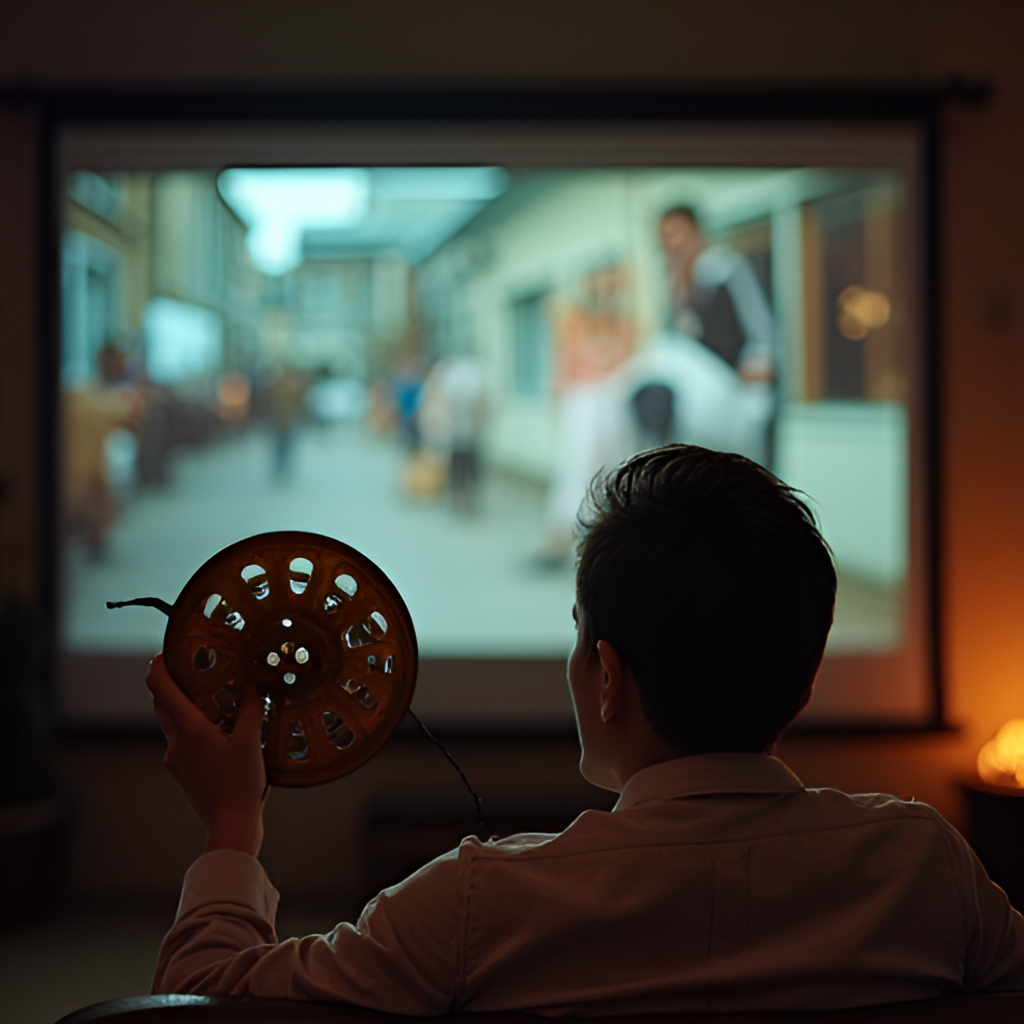
This image is a fictional image generated by GlobalTrendHub.
Bringing Your Personality to Older Film Reviews
One of the best ways to make your retro movie review engaging is to infuse it with your own voice and personality. Don’t be afraid to share your personal connection to the film or the genre. Did you watch this movie with your family as a kid? Does it remind you of a specific time in your life? These personal anecdotes make your writing unique and help you connect with your audience on a human level.
Use conversational language, contractions, and even a rhetorical question or two to make it feel like you’re talking directly to the reader. For example, instead of a dry statement, you might ask, “Could ‘Psycho’ still shock audiences today?” This draws the reader in and encourages them to think alongside you.
Think of yourself as a knowledgeable friend recommending a movie, not a stuffy academic. Share your enthusiasm, your critiques, and your insights in a way that’s accessible and enjoyable to read.
Making Your Retro Movie Reviews Discoverable
You’ve written a fantastic retro movie review, but how do you make sure people can find it? This is where SEO (Search Engine Optimization) comes in. Optimizing your content for search engines is crucial for driving traffic to your blog.
Start by identifying relevant keywords and search terms that people might use to find your review. This could include the movie title, the director’s name, the year it was released, the genre, and terms like “classic film review,” “old movie analysis,” or the specific focus keyphrase: retro movie reviews. Naturally incorporate these keywords throughout your article, including in your headings and the main body of the text.
The focus keyphrase, retro movie reviews, should appear multiple times, including in your title, introduction, at least one subheading, and the conclusion.
Use internal links to connect your review to other related articles on your blog, like reviews of other films by the same director or actor, or articles about the film’s genre or era. Also, include external links to reputable sources, like the film’s IMDb page or articles from established film critics or historical sites.
Pay attention to your meta description. This short summary appears in search results and should entice readers to click. Make sure it includes your focus keyphrase, retro movie reviews, and accurately reflects the content of your article. Keep it concise, ideally under 156 characters.
Formatting also plays a role in SEO and readability. Use headings (H2, H3) to break up your text, use bullet points for lists, and keep paragraphs relatively short. This not only makes your article easier to scan for readers but also helps search engines understand the structure and content.
Adding Personal Experience and Building E-E-A-T
In the world of online content, demonstrating E-E-A-T (Experience, Expertise, Authoritativeness, and Trustworthiness) is increasingly important. For retro movie reviews, this means showing that you have a genuine passion for and knowledge of classic cinema.
Share your experience watching the film. Did you see it in a theater? Was it a first-time viewing or a beloved rewatch? Describe your personal reactions and feelings. My experience seeing “Jurassic Park” on the big screen again after years felt different, and sharing that specific feeling made my review more authentic. Mentioning personal anecdotes related to watching older films can build a connection with readers who have similar experiences.
While you don’t need a film degree, showing your expertise can come through your analysis. Reference film history, point out cinematic techniques, and compare the film to others of its era. Back up your points with examples from the movie itself. Discussing the context of Hollywood’s studio system or the impact of certain directors demonstrates your knowledge.
Building authoritativeness and trustworthiness comes from consistently creating high-quality, well-researched, and insightful reviews. Linking to authoritative external sources also helps. Over time, as you build a body of work focused on retro movie reviews and engage with your audience, your blog will become a trusted source for classic film enthusiasts.

This image is a fictional image generated by GlobalTrendHub.
The Lasting Appeal of Retro Movie Reviews
Writing retro movie reviews is more than just a hobby for me; it’s a way to preserve and celebrate cinematic history. These older films continue to entertain, provoke thought, and offer valuable insights into the past. By focusing on human-like writing, incorporating personal experiences, and applying sound SEO strategies, your retro movie reviews can find their audience and contribute to the ongoing conversation about classic cinema. Whether you’re revisiting a cherished favorite or discovering a hidden gem, the world of retro film is vast and rewarding. I hope this guide inspires you to start writing and sharing your own take on the movies that shaped the silver screen.